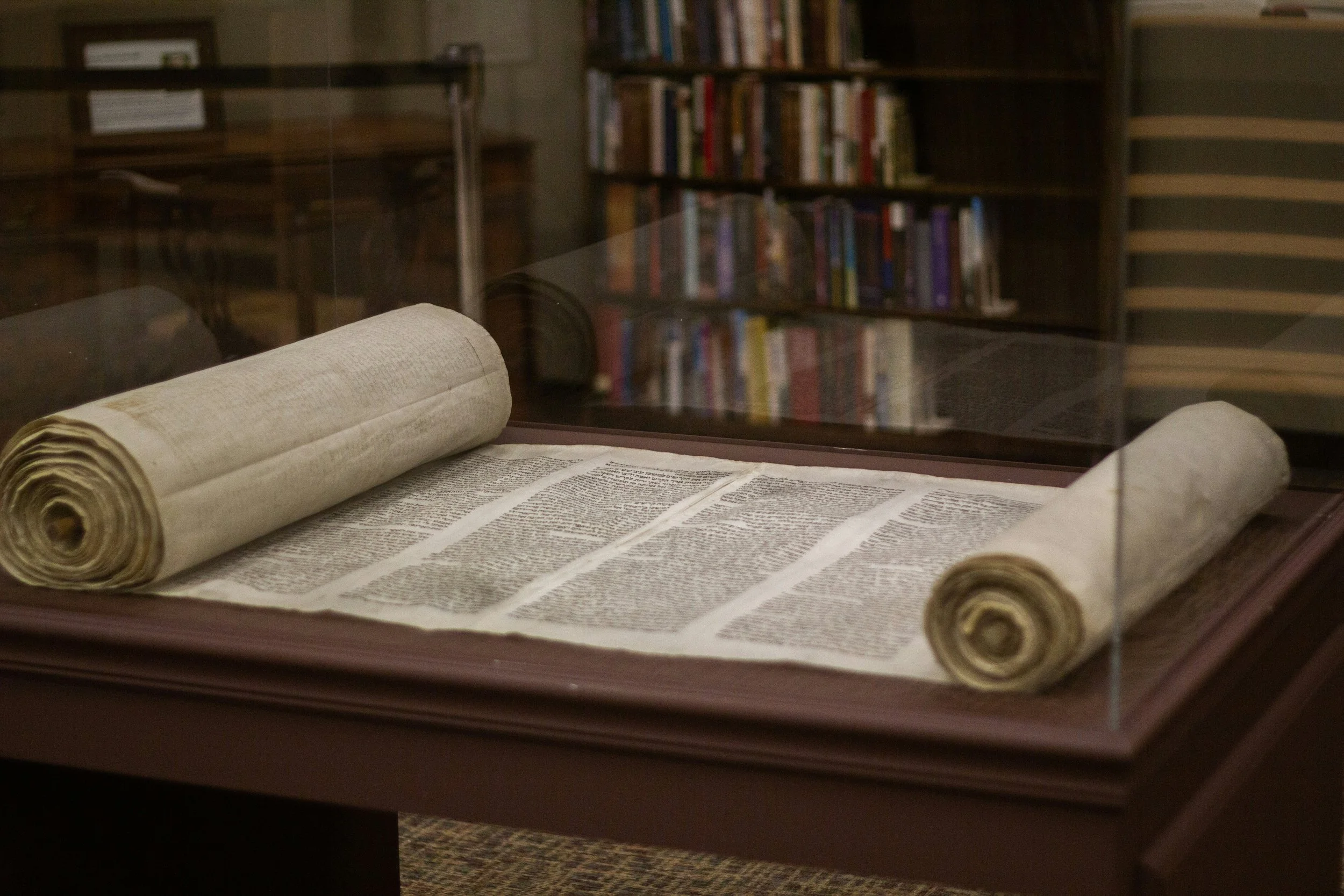

This ethical stew of truth mixed with error is enough to make one sick. Ironically, to walk away from the book of Judges feeling sick means that the book’s purpose has been rightly understood! This harrowing portion of Scripture is precisely intended to whet the hearer’s redemptive appetite. Is there anyone who can lead righteously?
Read MorePicking up after the death of Moses, Joshua narrates the Israelites’ takeover of Canaan after their forty-year wandering in the wilderness. Through their military campaigns, the Israelites would serve as the instrument of God’s judgment upon the Canaanites for their sins, as well as the demonstration of God’s purposes to give the land to Abraham’s descendants (cf. Deut. 9:4-5).
Read MoreWhen Christ died on the cross, He bore the curse required for our disobedience (cf. Deut. 21:23) so that through faith in Him we can receive the blessings merited by His obedience (cf. 2 Cor. 5:21). It’s for that reason that the Law of Moses was never intended to be a means of justification. But that’s not to say that Mosaic Law was inherently bad. On the contrary, the Law is good—if one uses it lawfully (cf. 1 Tim. 1:8).
Read MoreDespite their repeated sin and failure, the Israelites were never alone during their pilgrimage; God was with them, faithfully leading them to their intended destination as He promised (cf. Exod. 6:8). And so it is that those “numbers” recorded by Moses weren’t just statistics; they were souls.
Read MoreThe book of Leviticus, using cognate forms of qadosh more than one hundred times, emphasizes the holiness of God like no other. And in so doing, it gives the answer. Under the inspiration of the Holy Spirit, Moses wrote Leviticus to help the Israelites understand the holiness of God, the sinfulness of man, the means of atonement, and the supremacy of the Great High Priest. It helps us just the same, today.
Read MoreThe journey from bondage in Egypt to worship at Sinai represents, in a general sense, the redemption of all of God’s elect: from slavery, to salvation, to service.
Read MoreIn the end, this book of beginnings points us to Jesus: the Lion of the tribe of Judah (cf. Rev. 5:5), the true King of Israel (cf. John 1:49), the Lamb of God for Isaac (cf. John 1:29), the ever-present friend of Abraham (cf. 2 Chron. 20:7), the ark of Noah’s salvation (cf. 1 Pet. 3:19-21), the life-giving last Adam (cf. 1 Cor. 15:45), and the Creator of the world (cf. Col. 1:16).
Read MoreJust as these sacred songs were adept at leading the nation of Israel in the worship of God, so too are they today—whether in song or in sermon—for those in the Church.
Read MoreCataloguing the nineteen men who reigned next, the Chronicler traced the downfall of Judah not only to point out the tragic cause of exile, but more importantly, to bolster his point to the returnees that they were serving a God who does not forget His people.
Read MorePublished by Kress Biblical Resources, and based on the Old Testament teaching outlines that many have come to know and love, the purpose of this book (like the first in the series) is to equip Christians to study and teach verse by verse through the Old Testament—the Wisdom literature of the Bible in particular, in this case.
Read More